

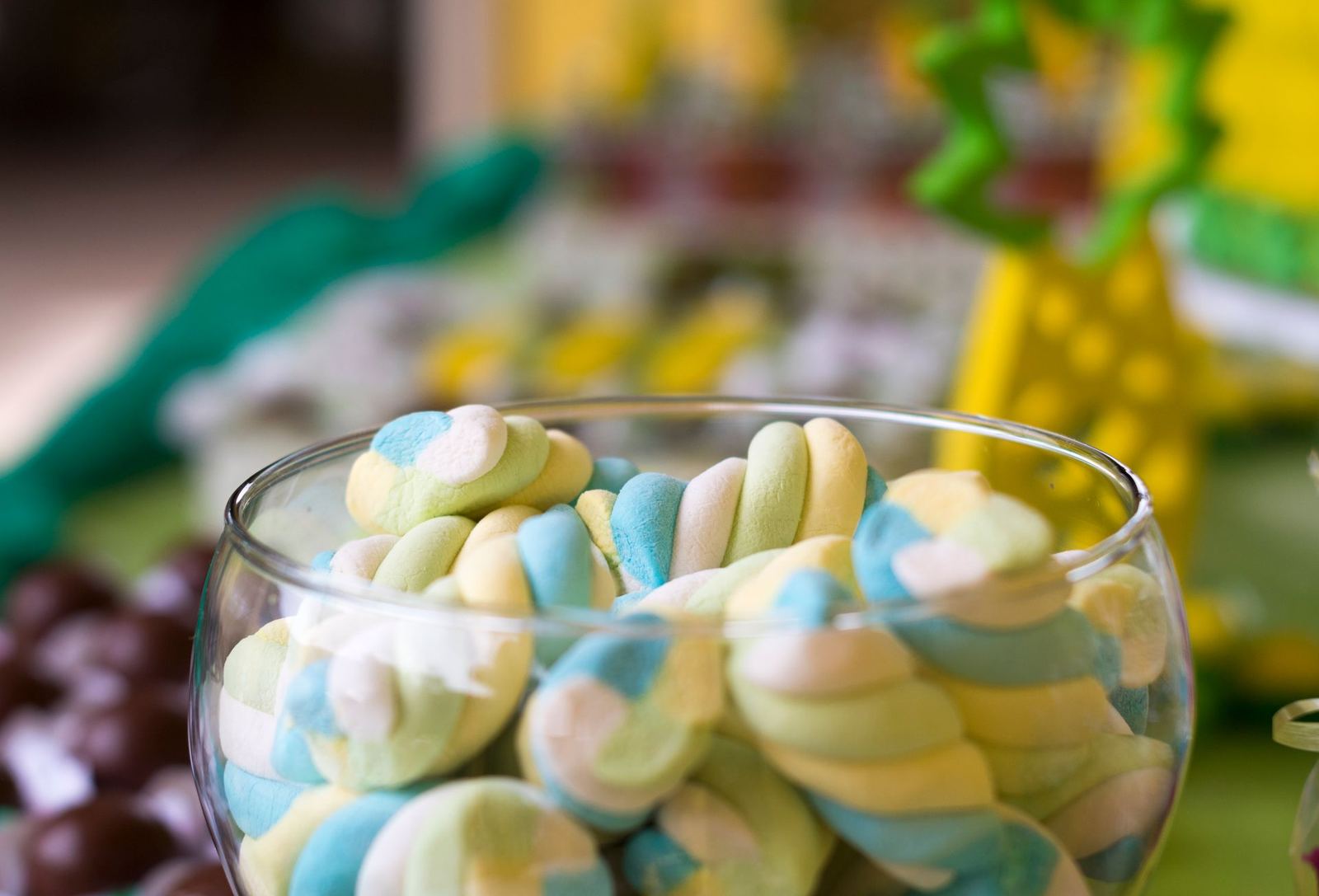
The centuries-long journey of a small candy named after allegiance and pulled by hand on marble.
One of the oldest of the colourful, shiny sweets placed in the palms of children going door to door on holiday mornings is akide. Though it is seen today as a nostalgic taste, behind akide lies a story reaching back to the Ottoman palace kitchen and state traditions.
Where the name comes from
Akide is a word of Arabic origin meaning faith or allegiance. According to accounts, in the Ottoman period, when the Janissaries were paid their quarterly wages, sweets made in the palace confectionery were offered as a symbol of the bond between the sultan, the state and the soldiers. Accepting the sweets was taken as a sign of their loyalty to the state. Akide is also said to have been offered at the reception of foreign envoys.
From the palace confectionery to the bazaar
The helvahane in the kitchens of Topkapı Palace was a specialised workshop where halva, pastes, sherbets and sweets were made. Over time the knowledge of its masters spread to the confectioners' shops of Istanbul and Anatolia. Akide took its place in glass jars in the windows of the sweet makers.
How it is made
Akide is even simpler than Turkish delight: sugar, water and citric acid. The real craft is in the cooking and pulling. The syrup is cooked to over 150 °C, poured onto a marble counter and, once it cools a little, flavoured with cinnamon, clove, lemon, mint or rose. The master folds and pulls the mass in his hands again and again to give it shine and lightness. Then it is stretched into a rope and cut into small pillows with scissors. This must be done quickly; as the syrup cools it hardens and will no longer take shape.
The meaning of the flavours
- Cinnamon and clove: Believed to warm the throat in winter.
- Mint: Offered as a digestive.
- Rose and bergamot: The refined aromas of the palace kitchen.
- Lemon: The simplest and freshest variety.
What can you do with akide?
Akide is not just a sweet to suck. In winter, cinnamon and clove akide is dissolved in a glass of hot water to make a spiced drink. Lemon and mint akide is finely crushed and sprinkled over biscuits and milk puddings. In the past it was carried on long journeys and in caravans as a source of energy that never spoiled.
Akide today
Thanks to its long shelf life, akide remains essential on holiday plates, during Eid visits and in sweet bowls for guests. In our workshop akide is still pulled by hand and cut with scissors, so every piece is slightly different in shape.
Keep akide in a glass jar to protect it from moisture. In a well-closed jar it keeps its shine for two years.
Related Posts
Traditions
A Guide to Sweets for Engagements and Mevlit Gatherings
How much for how many, which colour, how to present it? The finer points of sweet treats in Anatolian tradition.
Read more